
Knee surgery
International Elite Care organises your knee surgery in optimal conditions, working with recognised expert surgeons dedicated to your care.
Knee disorders are commonly linked to trauma, sporting activity or age-related degeneration. As a weight-bearing joint subjected to constant stress, the knee is particularly vulnerable. Pain, stiffness, reduced mobility or functional limitation can gradually interfere with daily life, work and physical activity. If left untreated, these symptoms may significantly impact both personal wellbeing and professional life.
At International Elite Care, our approach is clear: to provide expert, structured and personalised care built around recognised surgical excellence and a seamless treatment pathway designed specifically for international patients.
We help you identify the right orthopaedic surgeon and knee specialist for your needs. Their expertise is founded on high surgical volumes, mastery of advanced techniques and strict adherence to the highest European medical standards.
-
ACL surgery
View treatment

-
Arthrolysis knee surgery
View treatment
-
Arthroplasty surgery of the knee
View treatment
-
Cartilage transplant knee surgery
View treatment
-
Knee osteotomy
View treatment
-
Knee replacement
View treatment
-
Patellofemoral replacement
View treatment
-
PCL surgery
View treatment
-
Revision knee replacement
View treatment
-
Robotic knee surgery
View treatment
-
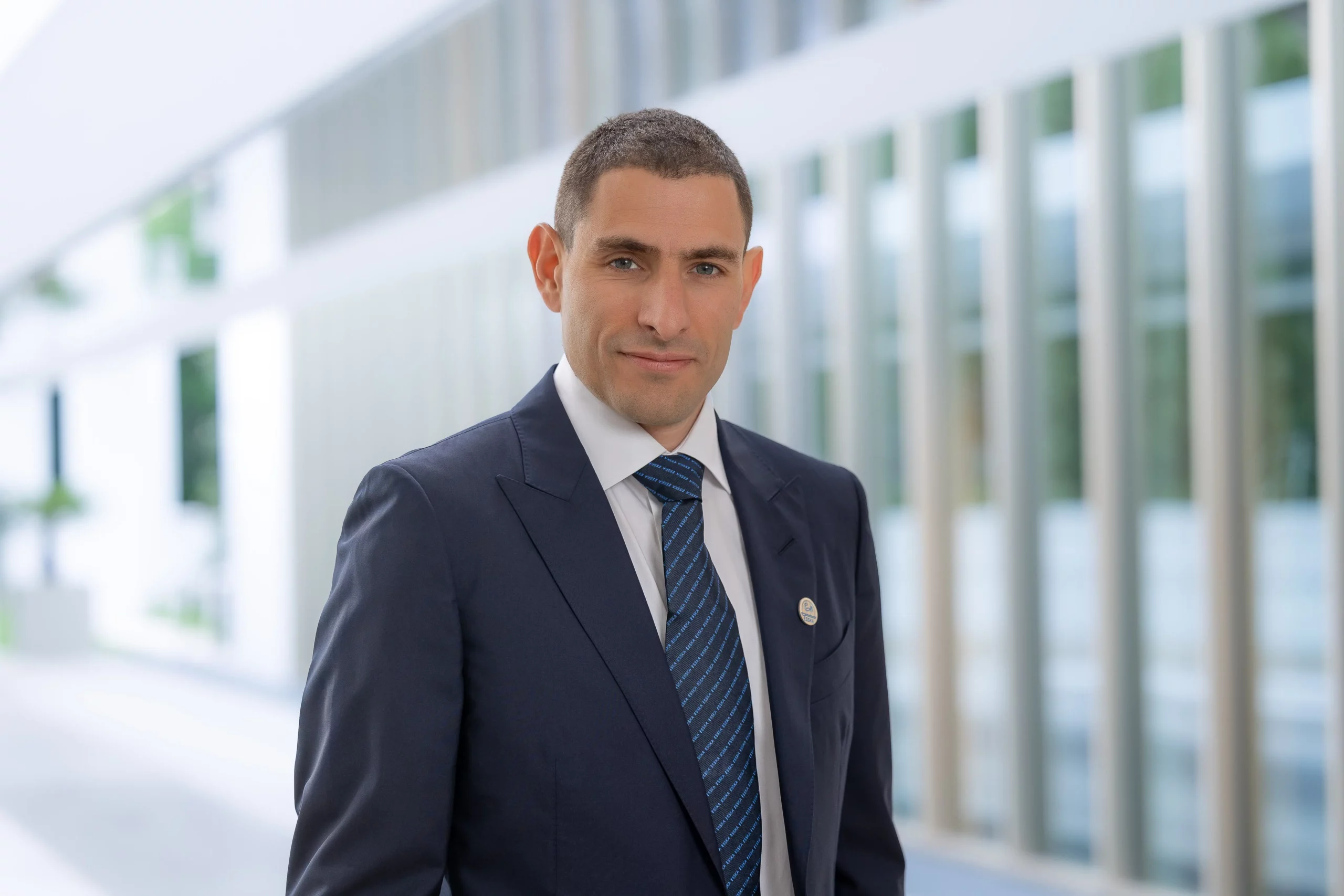
Pr. Etienne Cavaignac
View full profile

-

Dr. Thomas Ripoll
View full profile
International Elite Care, finding the best surgeons for your knee
At International Elite Care, we believe that successful outcomes begin with the finding the right surgeon for your knee condition.
Knee pain can arise from multiple causes: ligament injuries, meniscal tears, cartilage damage, osteoarthritis or complex post-traumatic conditions. Because the knee is a major weight-bearing joint, even moderate dysfunction can significantly impact daily life.
From your first contact, we structure your care around clarity, safety and continuity.
We carefully select orthopaedic knee surgeons based on:
- High surgical volume and recognised expertise
- Mastery of modern, minimally invasive techniques
- Strict adherence to Western medical standards
- Proven outcomes and patient satisfaction
- Experience treating international patients
This ensures that you are not simply assigned a knee pain doctor, you are matched with the most appropriate expert for your specific condition.
If your injury is trauma-related, a specialist in orthopaedic knee traumatology will be recommended. If your condition involves degenerative arthritis, you will be referred to a surgeon experienced in partial or total knee replacement. For complex revision cases, highly specialised expertise is prioritised.
Your knee operation step-by-step
A knee operation is never approached lightly. Every decision follows careful assessment and personalised planning.
Your journey begins with a consultation with a knee specialist. For international patients, this can be carried out remotely.
During this evaluation, the orthopaedic knee surgeon reviews:
- Your symptoms
- Your medical history
- Clinical examination findings
- Imaging (MRI, X-rays, CT scans if required)
- Your functional expectations and lifestyle goals
Whenever possible, conservative treatment is prioritised. This may include:
- Targeted medical treatment
- Injections for inflammatory pain or early osteoarthritis
- Specialist physiotherapy
- Temporary adaptation of physical activity
Surgery is only recommended when these measures no longer provide sufficient relief or restore stability and function.
If surgery is indicated, a fully personalised treatment plan is developed.
Depending on your condition, this may involve:
- Arthroscopic knee surgery (minimally invasive treatment of internal lesions)
- Ligament reconstruction (for instability, often in active patients)
- Meniscal repair or partial meniscectomy
- Partial or total knee replacement
- Revision knee replacement in complex cases
All procedures are performed using proven, regularly updated techniques designed to:
- Control pain effectively
- Optimise recovery
- Minimise surgical trauma where possible
- Ensure durable, long-term results
Every stage is carefully coordinated to ensure safety and comfort.
For international patients, International Elite Care can organise your medical stay in full. This may include:
- Airport transfers
- Transport between clinic and accommodation
- Carefully selected hotels, apartments or clinic accommodation
- The option to travel with a companion
Facilities are chosen for their medical quality, comfort, discretion and safety standards. Your environment is designed to promote calm, rest and optimal recovery condi
Recovery does not end at discharge. A personalised rehabilitation programme is structured according to your procedure and recovery pace.
Postoperative follow-up is supervised by your orthopaedic specialist in knee problems. Where appropriate, remote digital follow-up ensures continuity of care once you return home.
The objective is clear: a safe and progressive return to an active personal, professional, or sporting life.condi
Everything you should know about knee operation
Our experts answer your questions about knee operations, their specific features, your care and much more.
What are the most common knee problems?
The most common knee conditions include ligament injuries (such as ACL tears), meniscal tears, cartilage damage, osteoarthritis and post-traumatic instability. These may result from sport, accidents or age-related degeneration.
How do I know whether my knee pain is serious?
Persistent pain, swelling, instability, locking sensations or difficulty walking may indicate a structural issue. If symptoms do not improve with rest or physiotherapy, specialist evaluation is advisable.
Will I always need surgery for a knee problem?
No. Many knee conditions can be managed successfully with non-surgical treatment. Surgery is considered when conservative measures no longer provide adequate relief or when instability significantly affects quality of life.
Is knee surgery a major surgery?
Some knee procedures are considered major surgery, particularly total knee replacement or complex revision surgery. These operations involve replacing damaged joint surfaces and require structured rehabilitation.
However, many knee procedures, such as arthroscopy or certain ligament repairs, are minimally invasive and performed using modern techniques designed to reduce surgical trauma, pain, and hospital stay.
The classification of “major” depends on the type of procedure, but in all cases, careful planning and specialist expertise significantly improve safety and recovery outcomes.
What is arthroscopic knee surgery?
Arthroscopy is a minimally invasive procedure using small incisions and a camera to treat internal knee problems. It generally allows faster recovery compared with traditional open surgery.
What is the recovery time for knee surgery?
Recovery time varies depending on the procedure. Arthroscopic surgery may require only a few weeks, while ligament reconstruction or joint replacement involves structured rehabilitation over several months. Your knee surgeon will provide a personalised timeline.
Can I travel home after surgery?
Yes. Travel timing depends on the procedure and your recovery progress. Your medical team and knee specialists will advise you on safe travel conditions and organise follow-up care once you return home.
What not to do after knee surgery?
After knee surgery, it is important to follow your knee doctor’s instructions carefully to protect the joint and support healing. In general, patients should avoid:
– High-impact activities too early (running, jumping, pivoting movements)
– Ignoring swelling or unusual pain
– Skipping physiotherapy sessions
– Putting excessive weight on the knee before medical clearance
– Driving or travelling long distances without medical advice
Recovery is a progressive process. Respecting rehabilitation guidelines and activity restrictions is essential to ensure long-term stability and optimal function.