
Hallux rigidus surgery: restoring pain-free movement
Hallux rigidus surgery can help reduce pain and restore movement with expert care, tailored treatment and close follow-up.
Hallux rigidus surgery is designed to relieve pain and help you walk comfortably again. The operation targets advanced arthritis of the big toe joint, when non-surgical treatments are no longer enough to manage symptoms or slow their progression.
Depending on the stage of the condition, surgery for hallux rigidus may aim to partially preserve joint mobility or, when the joint is too severely damaged, to permanently fuse it. This latter procedure, known as arthrodesis, is a reliable solution that eliminates pain caused by bone-on-bone friction.
Thanks to modern surgical techniques, including minimally invasive and percutaneous methods, the procedure is now more precise and gentler on surrounding tissues, which supports a smoother recovery. A hallux rigidus operation is always part of a personalised care pathway, planned and monitored at every stage.
The long-term goals of surgery are to eliminate pain, stabilise the forefoot and allow you to enjoy a better quality of life.
When is an operation for hallux rigidus recommended?
An operation for hallux rigidus is considered when the condition has a significant impact on quality of life and non-surgical treatments can no longer control symptoms effectively.
Surgery for hallux rigidus is generally recommended in the following situations:
- Persistent or worsening pain despite medical management
- Stiffness in the big toe joint that limits walking and movement
- Deformity making it difficult to wear comfortable footwear
- Advanced arthritis of the big toe, with bone-on-bone friction
- Significant bony growths causing a dorsal bony impingement
The decision to proceed with hallux limitus rigidus surgery is based on a thorough assessment of the stage of the condition, your expectations and your lifestyle.
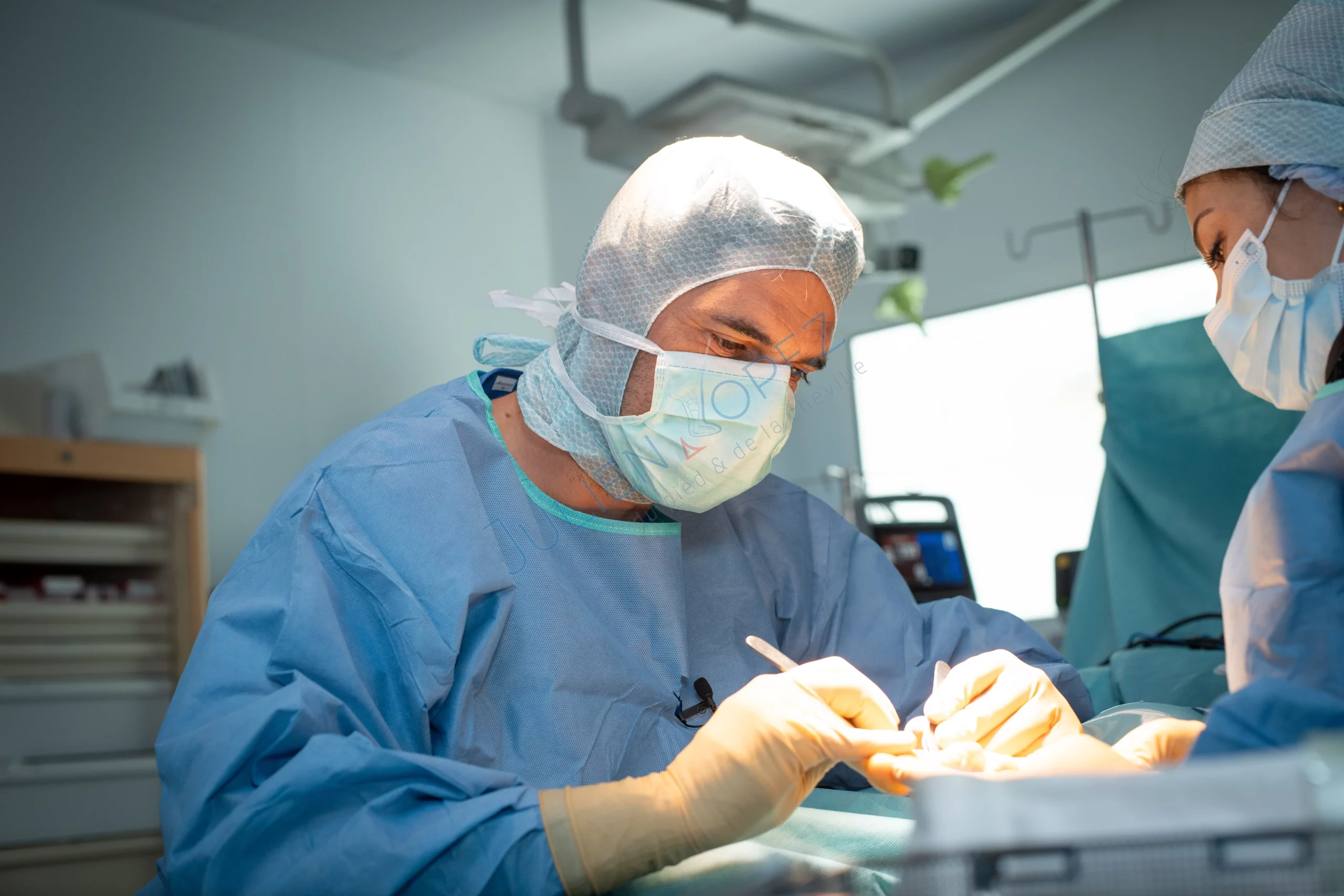
How hallux rigidus surgery is performed
Hallux rigidus surgery follows a precise, well-established protocol to ensure an effective procedure while optimising comfort and recovery.
Before the procedure
The operation is preceded by a specialist consultation to confirm the surgical indication, review imaging and choose the most suitable technique. A pre-operative assessment is also carried out to ensure everything is in place for the procedure to go ahead safely.
On the day of surgery
The operation is carried out by a foot doctor, most commonly under regional anaesthesia. This type of anaesthesia numbs the entire leg without the need for a general anaesthetic, offering better post-operative comfort.
Depending on the stage of hallux rigidus, surgery may involve addressing bony impingement and reshaping the joint where this is still possible. In more advanced cases, the procedure may consist of a decompression (Weil osteotomy of L1) or a permanent fusion of the metatarsophalangeal joint (the joint connecting the big toe to the rest of the foot) through arthrodesis, to eliminate pain caused by bone-on-bone friction.
The procedure is performed using a minimally invasive or percutaneous technique, through very small incisions and with intraoperative radiographic guidance to ensure precision. This approach limits tissue disruption, post-operative pain and hospital stay.
After the procedure
In most cases, hallux rigidus surgery is carried out as a day case, meaning you can go home the same day. You will receive clear instructions on walking, wearing therapeutic footwear and wound care.
Throughout your journey, the procedure and follow-up care are delivered by the expert surgeons at International Elite Care, ensuring seamless, safe care focused on lasting results.
Hallux rigidus operation recovery and expected outcomes
Hallux rigidus operation recovery is simplified by the use of the percutaneous technique. It is supported by a structured rehabilitation programme for a gradual return to comfortable daily life.
After a hallux rigidus operation, recovery is progressive and well supported. Walking is usually permitted quickly (often from the first day), with therapeutic footwear prescribed by your surgeon. These shoes should be worn for around six weeks to protect the forefoot and support proper healing.
A post-operative dressing is also applied. It needs to be changed regularly, kept dry and checked during follow-up appointments. These post-operative consultations allow the surgical team to monitor healing and adjust care if needed.
Pain management and return to activity
Pain after hallux rigidus surgery is generally moderate and well controlled with appropriate pain relief. The regional anaesthesia used during the procedure also helps with comfort in the first few hours after the operation. So, is hallux rigidus surgery painful? For most patients, discomfort is manageable and short-lived.
You can usually resume driving after around three weeks, subject to your surgeon’s approval. Sports and more demanding activities can be reintroduced gradually, typically between two and three months after surgery.
Long-term results
The primary goal of hallux rigidus surgery is lasting relief from arthritic pain in the big toe joint. In the vast majority of cases, patients notice a clear improvement in walking comfort and overall quality of life.
When the procedure involves arthrodesis, the joint is intentionally fused. This loss of movement is generally well compensated by the other joints in the foot and does not prevent walking or a return to daily and even sporting activities, provided they are appropriate.
Hallux rigidus exercises after surgery play a full part in the care pathway and help to consolidate results when followed consistently. Outcomes are all the better when care is tailored to each patient and backed by thorough follow-up. For a sense of what to expect, hallux rigidus surgery before and after comparisons discussed during your consultation can help set realistic goals.
Your questions about hallux rigidus surgery answered
How do I know if surgery is really the right option for me?
Minimally invasive percutaneous hallux rigidus surgery is considered after a specialist evaluation that takes into account your symptoms, lifestyle, imaging results and how well previous treatments have worked. Choosing between a podiatrist or orthopaedic surgeon for hallux rigidus depends on the severity of the condition; surgical cases are managed by an orthopaedic foot specialist. The goal of the consultation is to determine whether a surgical solution is appropriate and genuinely beneficial in your situation.
Is this a reliable procedure in the long term?
Yes. When properly indicated and performed by an expert surgeon, hallux rigidus surgery delivers reliable results. Current techniques provide lasting pain relief and a noticeable improvement in walking comfort, with high levels of patient satisfaction. Your hallux rigidus doctor will discuss expected outcomes in detail during your appointment.
Will I permanently lose movement in my big toe?
Not necessarily. In conservative surgery, mobility is preserved. However, if fusion (MTP1 arthrodesis) is performed, the big toe joint itself is locked. Compensation from the midfoot and interphalangeal joint allows for a near-normal walking pattern without a limp.
What happens after a hallux rigidus operation?
Hallux rigidus post surgery care depends on the type of procedure performed. In advanced stages, deliberately fusing the joint (arthrodesis) removes pain at the cost of targeted loss of mobility. Recovery and rehabilitation after the operation help the rest of the foot adapt, compensating for the limitation. Over time, you can walk, drive and return to suitable activities at your own pace. Hallux rigidus operation recovery time varies, but most patients see significant improvement within two to three months.
What about the cost?
Hallux rigidus surgery cost depends on the technique used, the complexity of your case and whether you are an international patient. The team at International Elite Care will provide a clear, detailed estimate during your initial consultation so there are no surprises.
What is the best surgery for hallux rigidus?
There is no single answer. The best surgery for hallux rigidus depends on the stage of the disease, your anatomy and your goals. Your surgeon will recommend the approach most likely to give you lasting relief and the best functional outcome, whether that is joint-preserving surgery or arthrodesis.
Can I arrange this surgery if I am coming from abroad?
Absolutely. International Elite Care regularly supports international patients. Remote consultations can be arranged in advance, and the entire pathway (consultations, surgery, accommodation, transport and follow-up) can be coordinated smoothly to simplify travel and make the most of your medical stay.
Who will look after me before and after the procedure?
With International Elite Care, you are looked after by a specialist foot surgeon who is your dedicated point of contact at every stage. After hallux rigidus surgery, post-operative follow-up is structured, thorough and individualised, including after you return to your home country. The priority is to ensure safety, peace of mind and continuity of care. Your hallux rigidus doctor remains available throughout recovery.
When can I walk after hallux rigidus surgery?
Most patients are on their feet the same day with supportive footwear.
Surgeon performing the procedure


Full support
Take advantage of our all-in-one service: insurance, travel, post-operative follow-up, etc.
Ready to start your journey?
From your country of residence, benefit from a teleconsultation with an expert surgeon and coordinated care in France or Andorra, with every detail of your medical stay carefully organised.